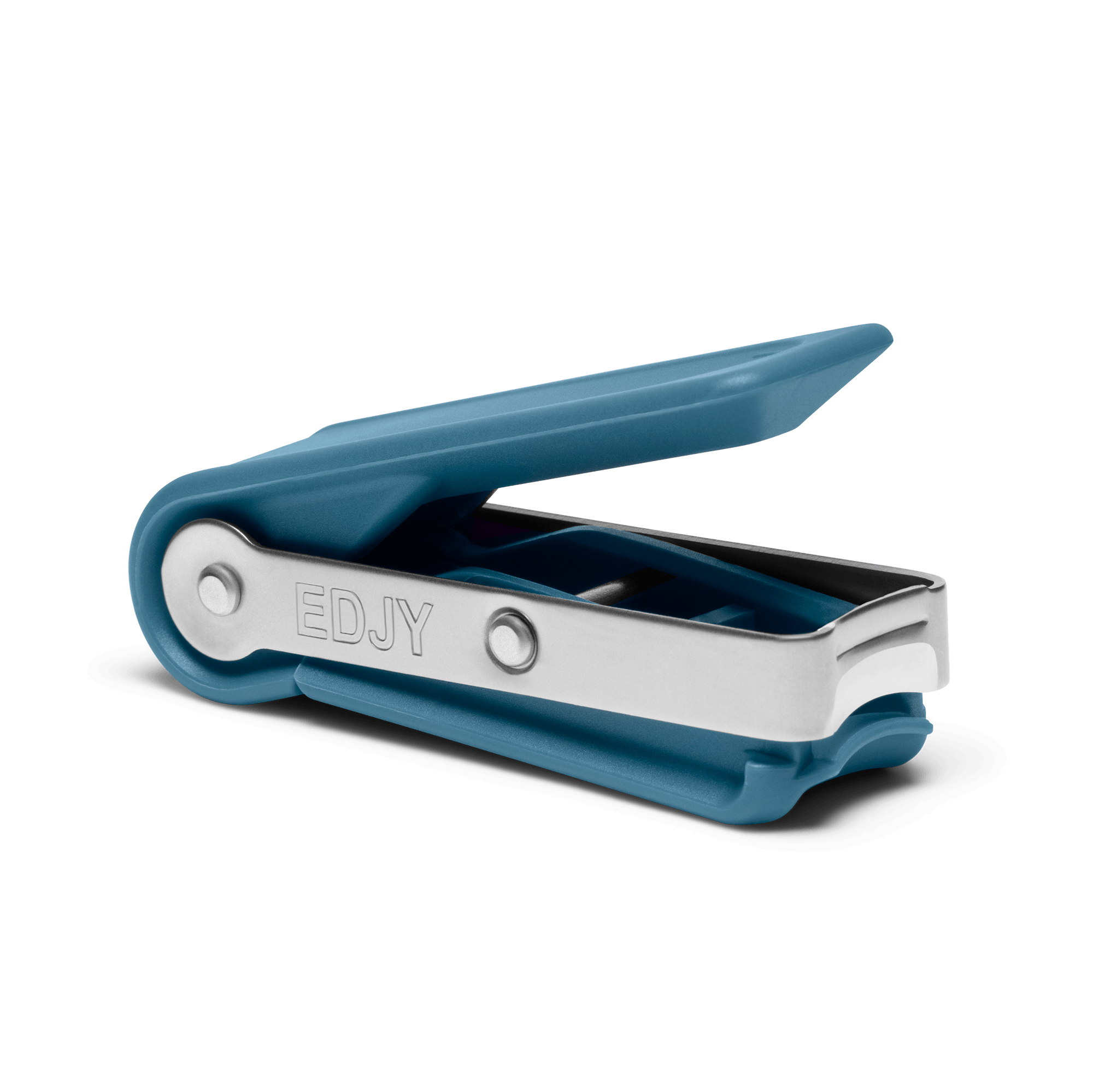
One blade
Surgeons use a single blade. Chefs use a single blade. Anyone who needs a precise cut uses a single blade.
For 144 years, the nail clipper has been the exception. Until now.
A nail care routine that hasn't evolved since 1881
- Finding somewhere quiet so you don't fling clippings across the room.
- Sweeping up the ones you missed anyway.
- Filing down the jagged edge the clipper left behind.
We put dozens of clipper under microscopes and high-speed cameras. The footage was the same every time: two dull blades smashing into each other, fracturing the nail, sending the clipping flying.
That's not cutting. That's crushing.
Stuck between two blades
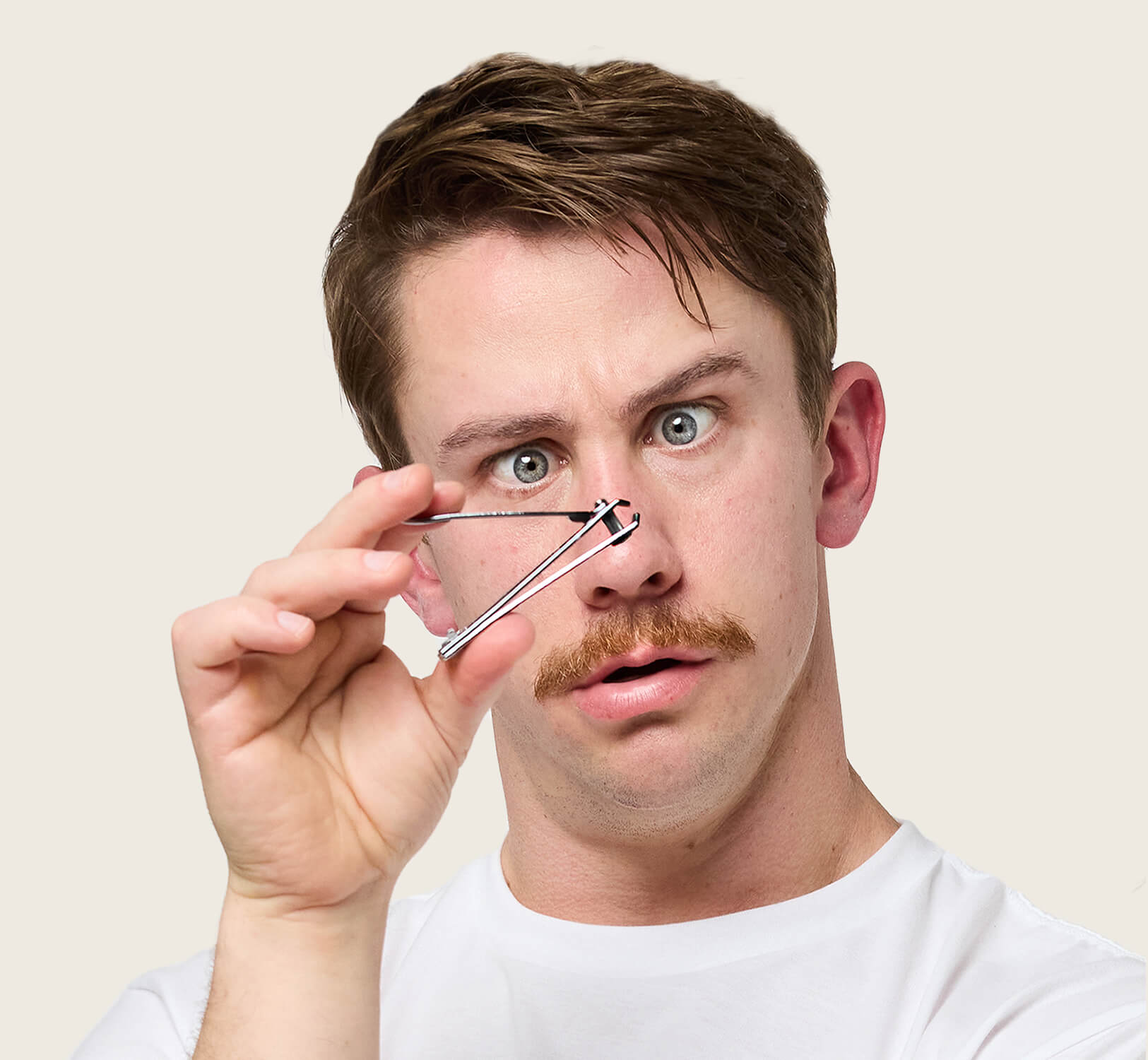
A traditional clipper isn't cutting your nail. It's compressing it from both sides until the keratin fractures.
That fracture is the entire problem. It's why the clipping flies across the bathroom. It's why the edge comes out rough. And it's why every clipper since 1881 has shipped with a file, to clean up the damage the clipper just did.

Our revelation
One sharp blade, slicing through your nail
One sharp blade. No second jaw. No smash. No stored-up energy looking for somewhere to go.
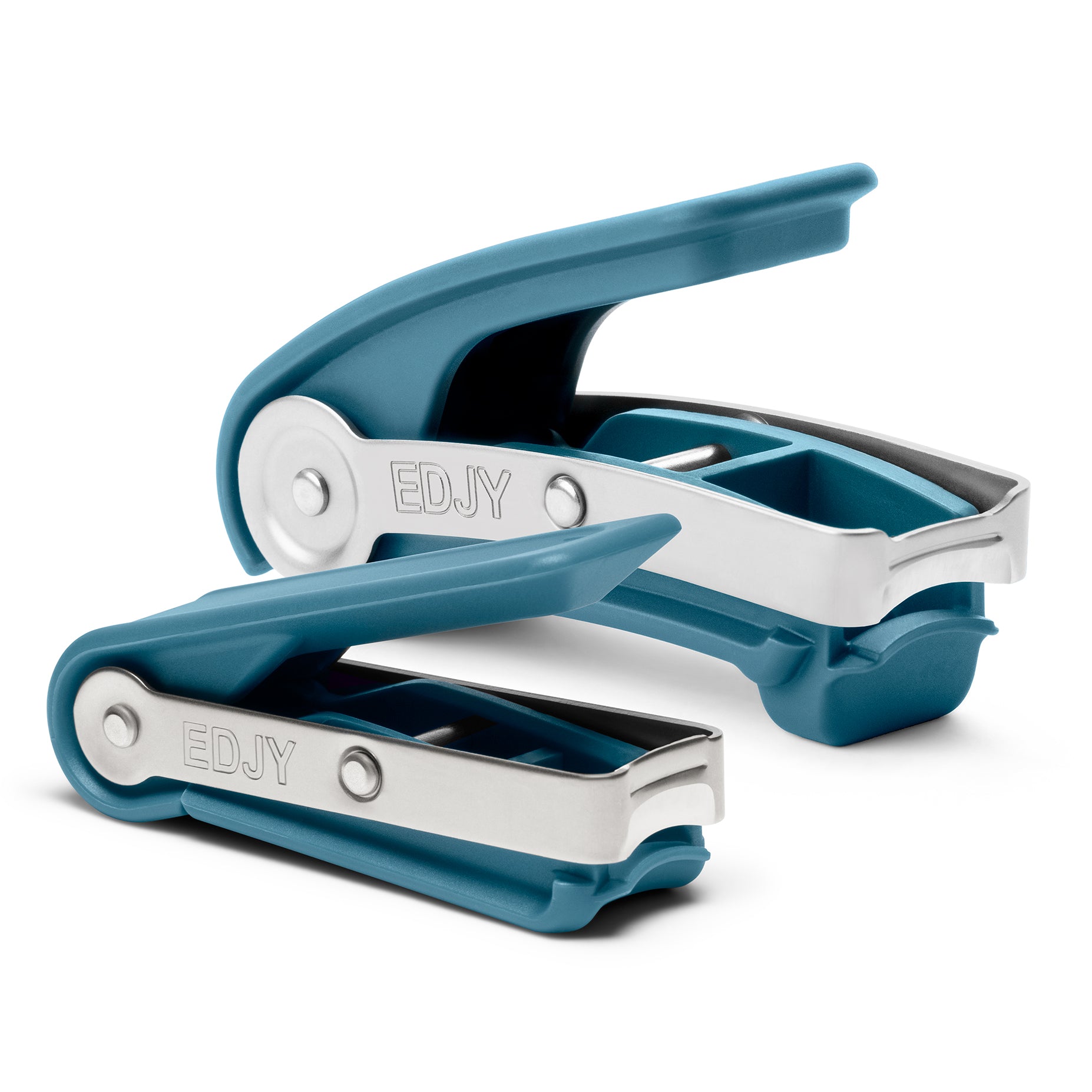
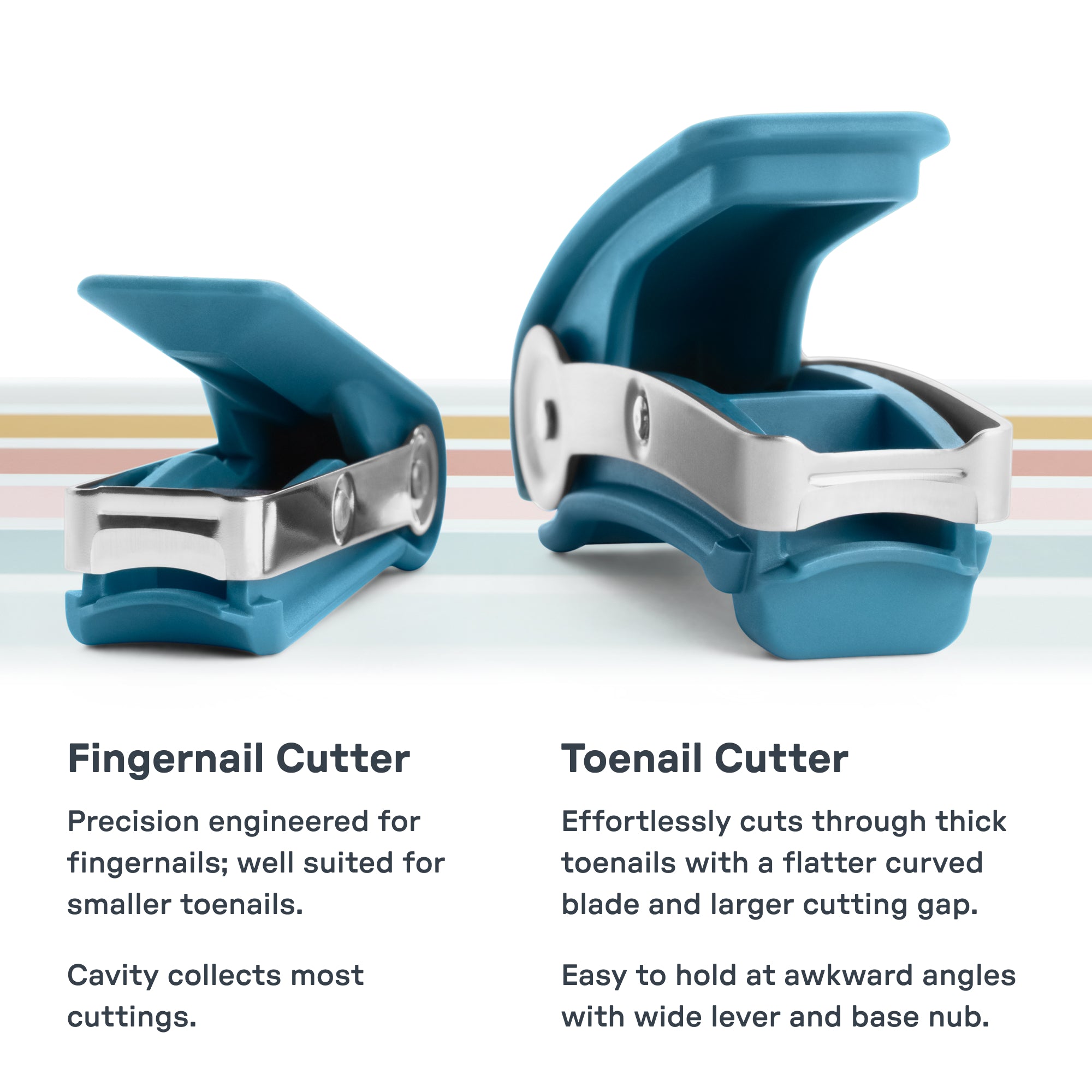
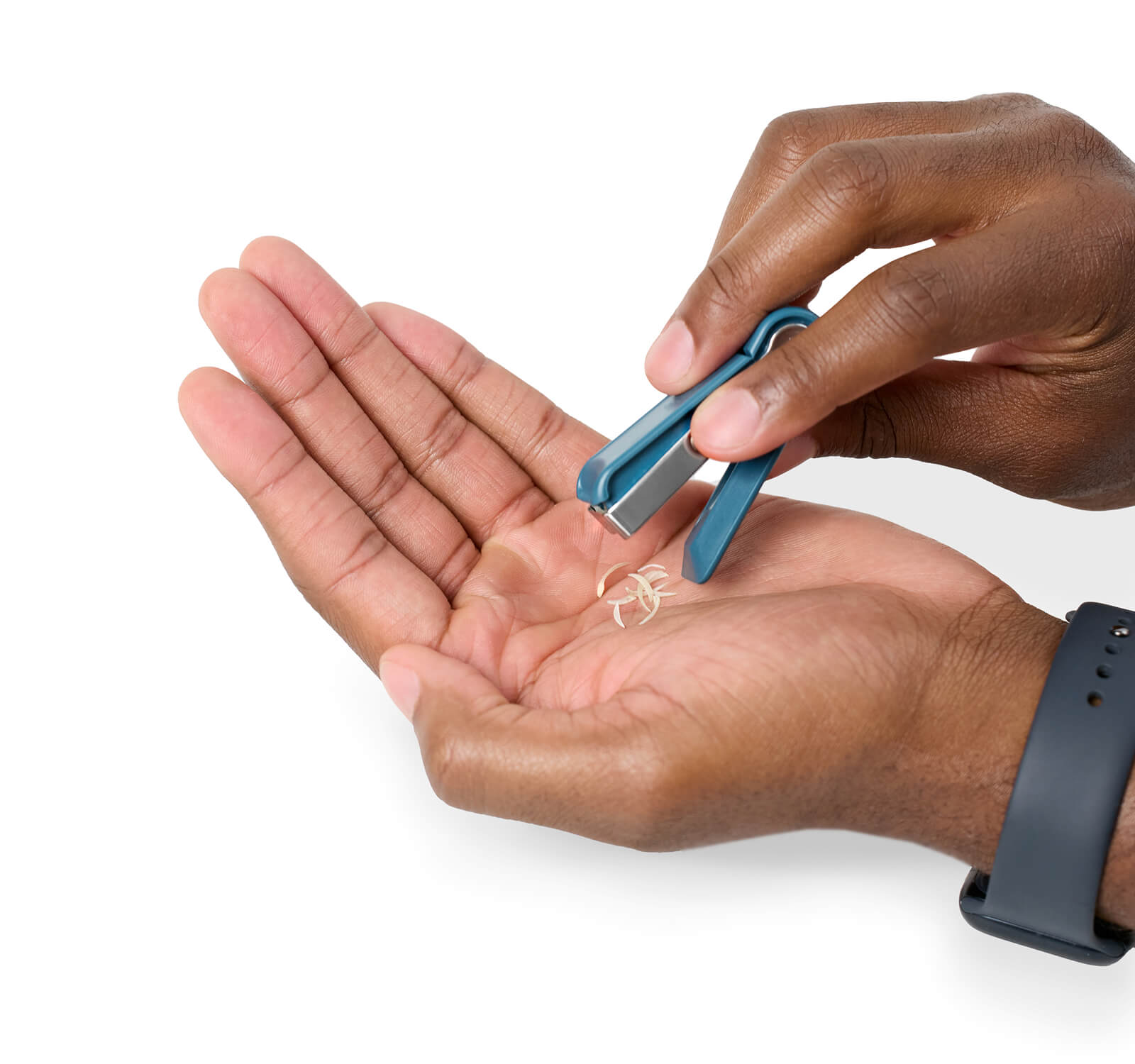
That one decision changed every other part of the design. With less force needed, we moved the lever closer to the blade for better control. With no metal-on-metal contact, the blade stays sharp for a lifetime. With a clean slice instead of a crush, the clipping doesn't fly across the room. It falls into the cavity below.
The single blade isn't a feature. It's the foundation everything else is built on.
50% less force to cut your nail
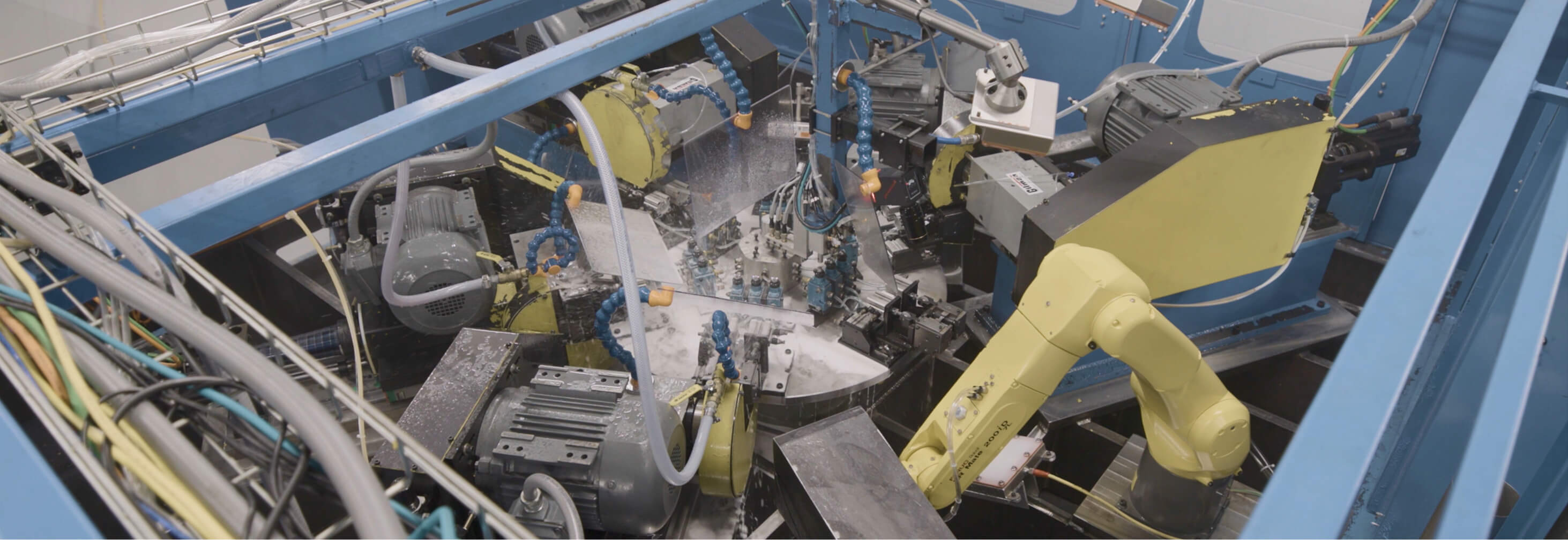
Six engineers and two metallurgists spent five years answering one question: how do you cut a nail without crushing it?
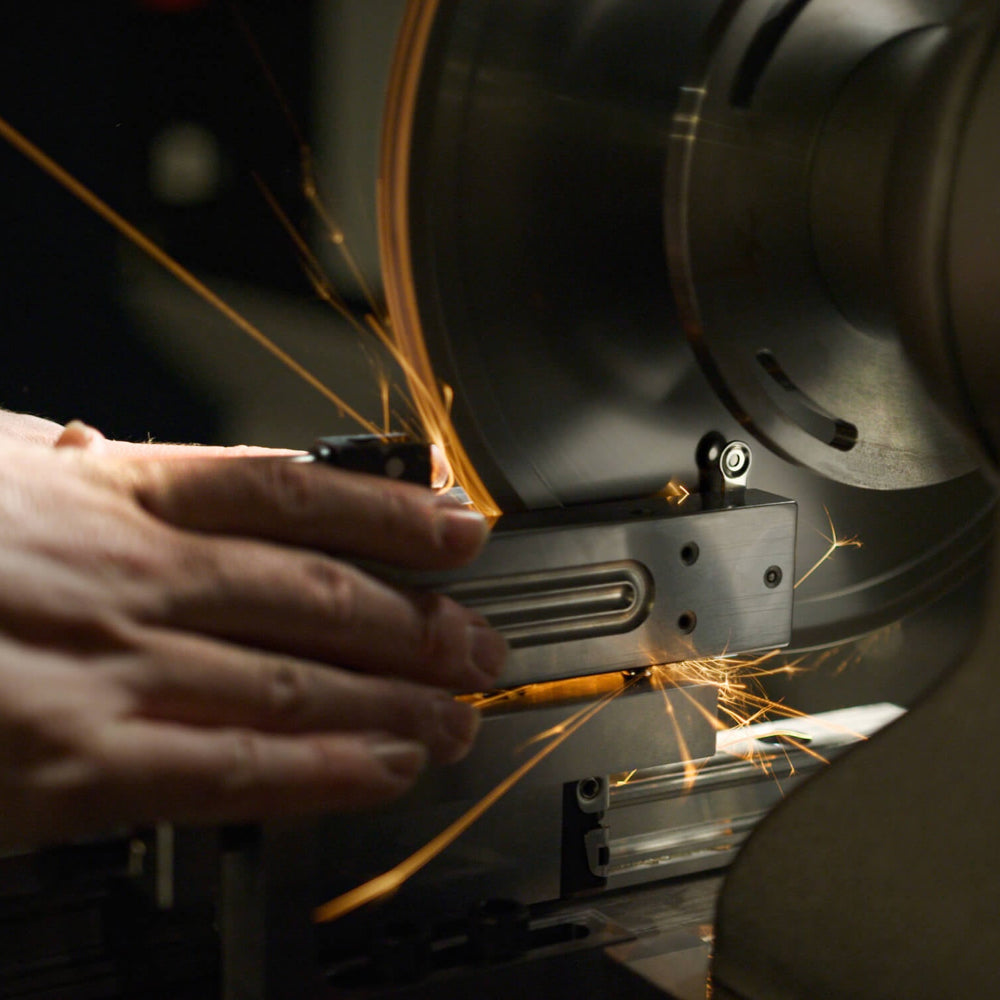
They tested dozens of stainless steel formulas before landing on a custom martensitic stainless rated 60+ HRC on the Rockwell scale. That's harder than most kitchen knives, sharper than the steel in commercial-grade scalpels.
They prototyped hundreds of blade geometries until they landed on a double-radii edge that follows both curves of your nail at once. Most clippers ignore one curve. Almost none get both.
The result: a blade that cuts with 50% less force than a traditional clipper from day one. After 5,000 cuts, it requires 70% less force, because traditional clippers dull themselves and ours doesn't.
Out of the lab, into your hand
The lab numbers are the proof. The cut is the payoff.
The first time you use EDJY, you notice three things almost at once: how little force it takes, how clean the edge feels, and where the cutting ended up. (Not on the floor. Inside the cutter.)
It's the smallest detail in your bathroom drawer, and the only thing in there you'll never have to replace.
Cut. Don't crush.
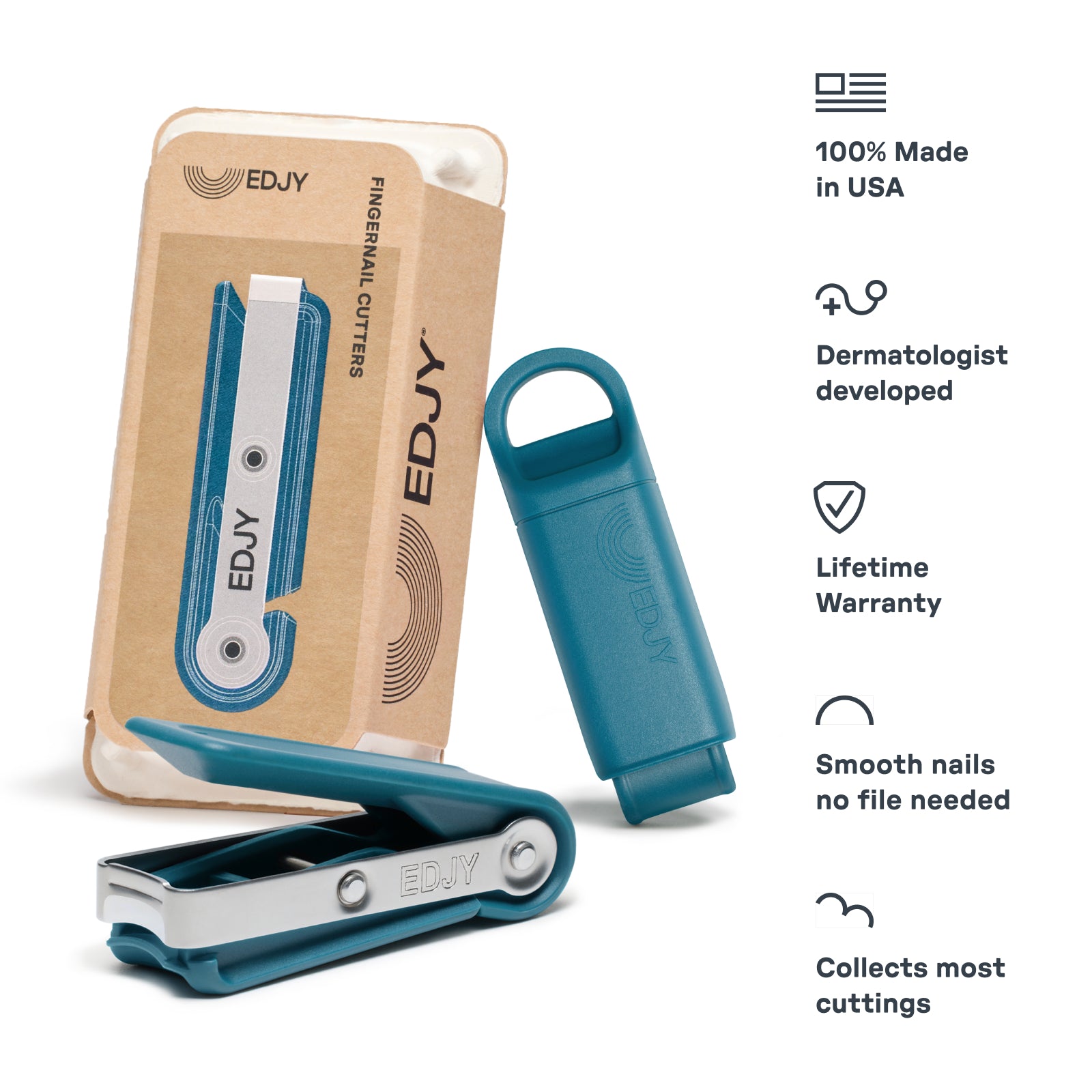
Designed with a dermatologist. Tested for 150,000 cycles. Made in Michigan.